
How to Prepare Scrap Cable Before Selling for More Money
The preparation that actually increases your scrap cable price is sorting by grade, removing plugs and fittings, and keeping cable dry. Manually stripping insulation only pays off on large volumes of high grade single-core cable, where the jump from insulated to bare copper pricing is largest. Never burn cable to strip it: it is illegal under the Clean Air Act 1993 and carries fines up to £5,000.
Key takeaways
- Sorting cable by grade before you arrive can meaningfully increase your blended price on a mixed load, without any tools or stripping required.
- Hand-stripping insulation only makes financial sense past a certain volume threshold, worked out below, because of the time cost involved.
- Burning cable insulation to recover copper is a criminal offence under Section 33 of the Clean Air Act 1993, carrying fines of up to £5,000, regardless of intent.
- Wet, muddy or oily cable is typically graded down, so keeping cable dry and reasonably clean before drop-off protects your price.
- You do not need to prepare cable at all to sell it. Preparation increases value, it is never a requirement.
Does Preparing Scrap Cable Actually Increase Its Value?
Sometimes, and it depends entirely on what kind of preparation you are talking about. There is a real difference between preparation that costs you nothing but a few minutes, sorting, removing obvious fittings, keeping cable dry, and preparation that costs real time and tools, manually stripping insulation from cable by hand.
The free preparation is close to always worth doing. The time intensive preparation, stripping, is only worth doing past a certain volume, and this article will show you exactly how to work out where that line sits for your own situation, using real numbers rather than a vague “it depends.”
What preparation will never do is turn a low grade cable into a high grade one. Armoured cable stripped of its outer sheath is still armoured cable underneath, with the same steel armour layer bringing its recovery percentage down. Preparation improves how efficiently your existing grade is recognised and paid for. It does not change what grade your cable fundamentally is.
Free Preparation That Genuinely Helps
Sort by grade before you arrive
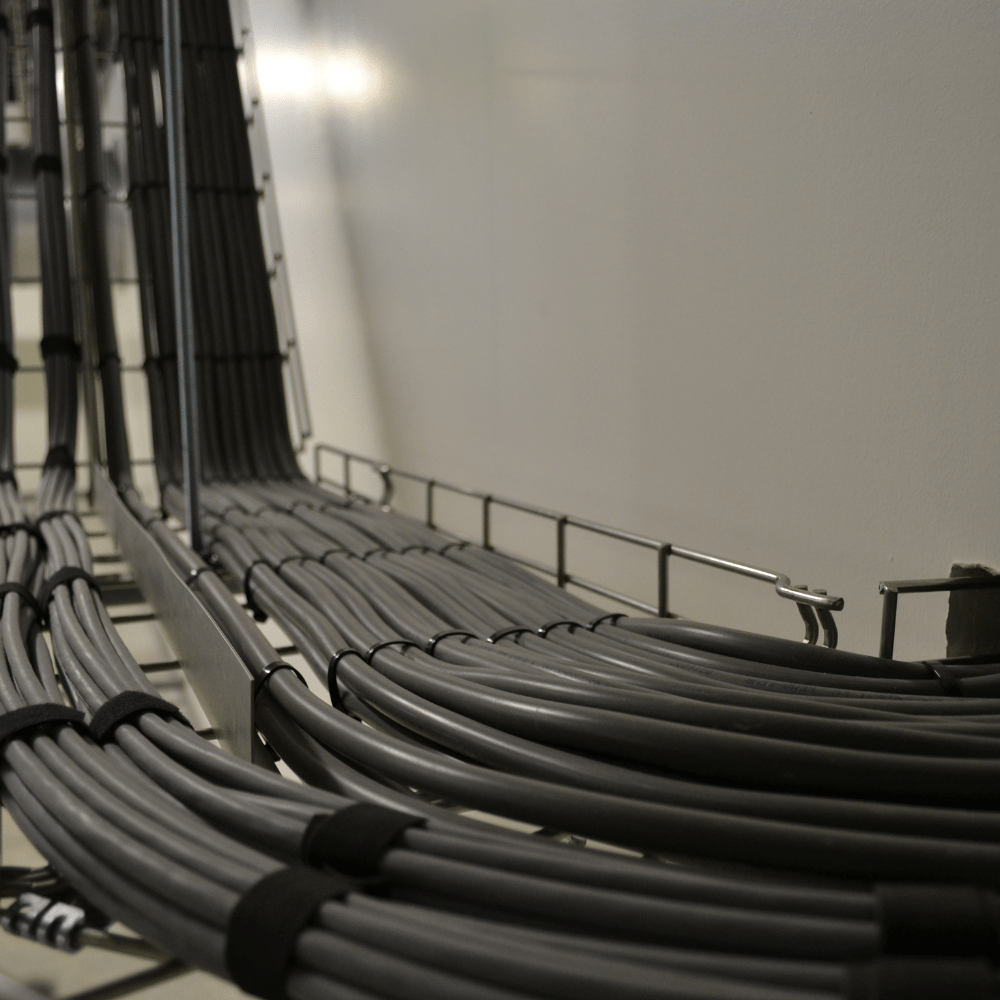
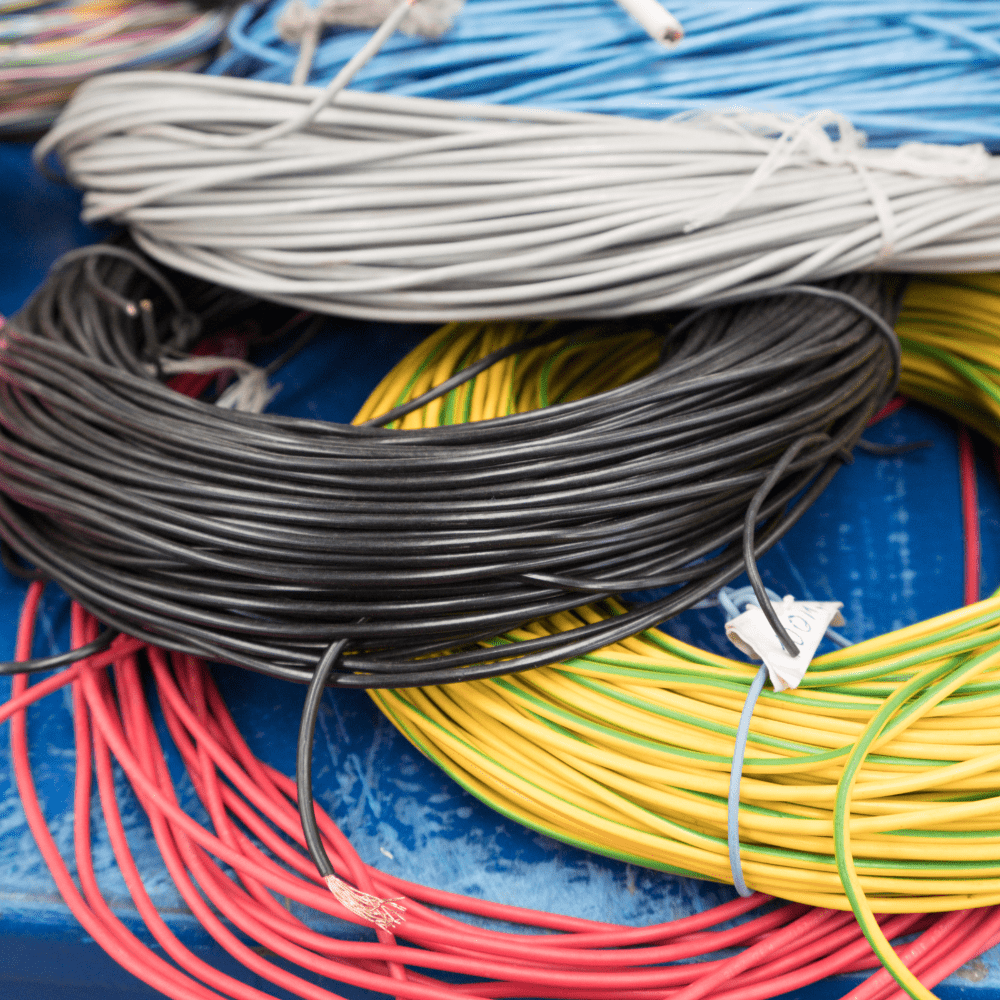
As covered in our full grading guide, dry bright wire, high grade cable, household cable and low grade armoured cable are priced very differently per kg. If you bring in a mixed skip of all four grades as one undifferentiated pile, some yards will grade and price it as a blended average, which can pull your highest value material down toward the lowest value rate in that mix. Even a rough sort, dry bright wire in one bag, armoured cable in another, protects the value of your best material.
Remove obvious plugs, connectors and fittings
A plug head, an IEC connector, or a junction box attached to a length of cable adds gross weight without adding any copper value, and most yards will either deduct an estimated weight for it or ask you to remove it before weighing. Doing this yourself in advance, particularly on volume, saves time at the point of sale and avoids any dispute over an estimated deduction.
Keep cable dry
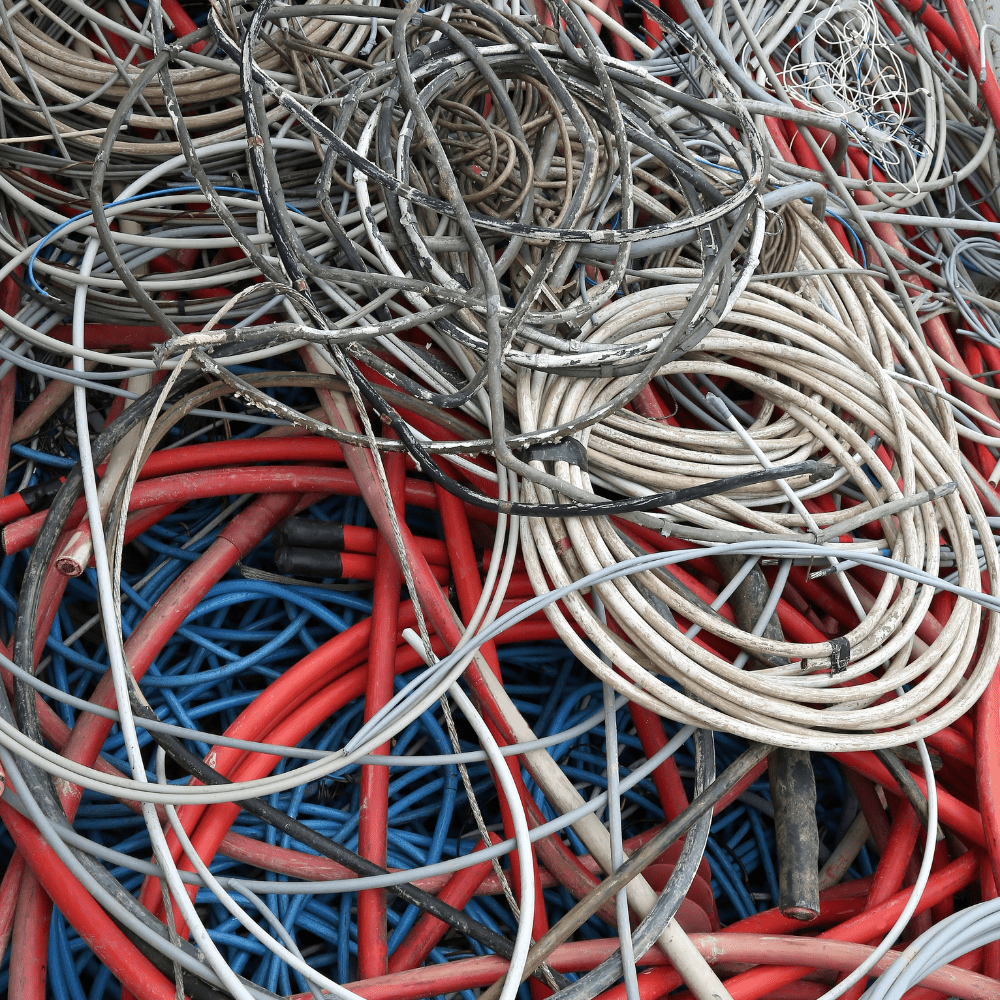
Wet or muddy cable, common with material dug up from underground armoured cable runs, is heavier at weigh-in due to the water and dirt it is carrying, but that extra weight is not copper and will not be paid for. Letting cable dry out and giving it a rough shake or wipe before bringing it in means your weighed total is closer to your actual sellable weight.
Separate different metals, not just different cable grades
If your load includes loose scrap metal alongside your cable, brass fittings, aluminium off-cuts, old copper pipe, keep them separate from the cable itself where you can. Mixed loads take longer to grade accurately and can occasionally result in a more conservative blended estimate than sorted material would get.
Note where the cable came from, especially for business or trade sellers
Not strictly preparation of the cable itself, but having a clear account of where a load originated, a specific job, a specific site, a business asset being decommissioned, speeds up the identity and provenance checks that licensed dealers are legally required to carry out under the Scrap Metal Dealers Act 2013, particularly for larger or unusual loads.
Should You Strip Cable Yourself Before Selling It?
This is the question with a genuinely nuanced answer, because the honest answer is: sometimes, and only past a certain volume.
The logic behind stripping
Stripping converts insulated cable, household, high grade, or armoured, into bare copper wire, which grades at or near dry bright wire, the highest paying grade. Dry bright wire is always priced well above any insulated grade on our scrap cable prices page, because there is no insulation left to strip and no recovery loss.
But that gap in per kg price only applies to the copper portion of the weight, not the whole cable. If a kilogram of high grade cable is roughly 60% copper, stripping it yields around 0.6kg of bare copper. So the real uplift from stripping is closer to that 0.6kg multiplied by the difference between the insulated rate and the bare rate, not the full kilogram you started with, because the insulation weight is discarded entirely once it is stripped away and is no longer part of what you are selling at all.
The breakeven calculation
Here is how to work out whether stripping is worth it for your own load, using the current rates on our prices page rather than fixed figures that would go stale. Take your cable’s weight and its recovery percentage from the grading guide, then compare two totals.
- Total one: your full weight, sold insulated at today’s rate for that grade
- Total two: your weight multiplied by the recovery percentage, sold at today’s dry bright rate
The difference between those two totals is your uplift from stripping, before you subtract anything for time. On a typical high grade cable with a recovery percentage around 60%, that uplift is meaningful but not dramatic, because you are only gaining the difference on the copper portion, while losing the weight of everything you strip away.
Now factor in time. Hand stripping cable, even with a proper stripping tool, typically takes real, sustained effort per metre, and any load of a few kilograms upward represents a genuinely significant length depending on gauge. Divide your calculated uplift by the number of hours the stripping actually takes, and you get an effective hourly rate for that work. For most people, on modest volumes, that rate comes out lower than they expect once the time is honestly counted, which is exactly why stripping only pays off past a certain volume rather than on every load.
When stripping is worth it
- You have a large, ongoing volume of high grade single-core cable, such as an electrician regularly generating offcuts from commercial jobs
- You already own or can justify buying a mechanical or drill-powered stripping tool, which dramatically speeds up the process compared to hand tools
- Your time has a lower opportunity cost for this specific task, for example stripping cable during downtime rather than instead of billable work
When stripping is not worth it
- You have a small domestic load, a drawer of old chargers, or a single rewire’s worth of household cable
- You would be using a utility knife or blade freehand, which is genuinely one of the more common causes of hand injuries reported in scrap and cable handling work
- You are dealing with low grade armoured cable, where the steel armour makes manual stripping considerably harder and the copper recovery uplift proportionally smaller relative to the effort involved
Cable Stripping Methods Compared
| Method | Verdict |
|---|---|
| Hand tool (wire strippers, pliers) | Fine for small volumes of household cable, slow beyond that |
| Utility knife or blade, freehand | Not recommended, a common cause of hand injuries |
| Drill-powered or mechanical stripping tool | Best for larger volumes of high grade cable, faster and safer when used correctly |
| Burning insulation off in a fire | Never appropriate, a criminal offence under the Clean Air Act 1993 |
| Not stripping at all, selling insulated | Fine for any grade or volume, zero extra time cost |
Why Burning Cable Is Illegal, and Why It Doesn’t Even Work as a Shortcut
This deserves its own section because it remains a genuinely common question, and the honest answer needs to be direct: burning cable insulation to recover the copper underneath is a criminal offence in the UK, not a grey area or a minor infraction.
The legal position
Under Section 33 of the Clean Air Act 1993, it is an offence to burn the casing or insulation from a cable with a view to recovering the metal core. This applies regardless of where the burning takes place, on your own land, at a scrap yard, or anywhere else, and carries a maximum fine of £5,000 for the offence itself. Local authorities and the Environment Agency have specifically flagged cable burning as an enforcement priority because it is one of the more common causes of illegal waste fires they respond to, and landowners can also be held responsible for any clean-up costs associated with a fire on their land, even if they did not start it themselves.
The environmental and health reality
Burning PVC and rubber cable insulation at typical open-fire temperatures does not fully combust the material. Instead, it produces polychlorinated dibenzo-p-dioxins and dibenzofurans, along with carbon monoxide, hydrogen chloride, heavy metals and other genuinely carcinogenic compounds, released as smoke that affects anyone nearby, not just the person doing the burning. This is a known, documented risk, not a theoretical one, which is part of why enforcement bodies treat it seriously.
Why it does not even achieve what people think it will
Even setting the legal and health risks aside entirely, burning cable does not typically improve your price the way people assume. Reputable scrap yards, including us, pay based on recovered copper content assessed through proper mechanical processing, not on the state you deliver material in. Burnt cable often arrives contaminated with ash, partially melted plastic residue, and oxidation damage from the heat, which can make grading harder, not easier, and does nothing to increase the underlying copper weight that was there all along. The copper you would have recovered by burning was already there in the unstripped cable. Burning does not create value, it just destroys the insulation while creating legal exposure and health risk in the process, for no financial upside over simply bringing the cable in as it is.
Preparing Cable by Job Type: A Suitability Matrix
| Source of your cable | What to do |
|---|---|
| Domestic house clearance or old drawer of leads | Rough sort by type, remove obvious plugs, do not bother stripping |
| Electrician’s job offcuts, single job | Keep separate from other trade waste, remove connector blocks, strip only if you already do so as routine |
| Electrician’s accumulated offcuts, ongoing over months | Sort by grade as you go, worth stripping if volume is high grade and you have a mechanical tool |
| Underground or outdoor armoured cable removal | Keep dry, do not attempt to strip the steel armour by hand |
| Construction or demolition site clearance | Sort by grade where practical, arrange bulk collection, rarely worth stripping at this scale |
| IT or telecom decommissioning | Separate data cable from power cable, remove attached hardware, not worth hand stripping |
Who This Preparation Guide Isn’t For
This guide will not help you if you are looking for a way to inflate your load’s apparent grade through preparation. No amount of cleaning, sorting or partial stripping will turn low grade armoured cable into high grade cable, because grade is set by the cable’s underlying construction, not its presentation.
It also is not for anyone considering burning, chemical stripping with unauthorised solvents, or any method beyond mechanical hand or tool stripping. Anything involving heat or chemicals to strip cable insulation carries legal and safety risk that is never worth the marginal price difference, covered in full above.
And it is not really necessary reading at all if you have a small, mixed domestic load. If that describes your situation, the honest advice is simply: bring it in as it is. The time cost of any preparation beyond a rough sort will almost certainly exceed the value it adds on a small load.
Common Mistakes People Make When Preparing Cable
Spending hours stripping a small load that would not have earned back the time cost
Run the breakeven maths above before committing significant time to stripping anything under roughly 15 to 20kg of high grade cable.
Using a bladed knife freehand instead of a proper stripping tool
This is a genuinely common cause of hand and finger injuries in cable handling, and the time saved over using proper strippers or pliers rarely justifies the risk.
Assuming wet or muddy cable will be weighed and paid the same as dry cable
It typically will not, since the extra weight from moisture and dirt is not copper and does not convert to payment.
Leaving fittings, plugs and connectors attached to save time, then being surprised by a lower blended price
A few minutes removing obvious non-cable attachments before you arrive is one of the few genuinely free ways to protect your quoted price.
Cable Preparation Myths
Myth: “Stripping always doubles your money.”
Not usually, once you account for the fact that insulation weight is discarded entirely once stripped, and factor in the time cost of doing the stripping. The uplift is real on high grade cable in volume, but it is rarely as dramatic as people expect once time is properly costed in.
Myth: “Burning is quicker and the yard can’t tell the difference anyway.”
Yards can typically identify burnt cable through visible ash residue, oxidation patterns and contamination, and in any case, payment is based on recovered copper content assessed through proper processing, not on how the material looked on arrival. There is no pricing upside to offset the legal risk.
Myth: “You have to strip cable before a yard will accept it.”
No. We accept all grades, stripped or unstripped, and grade accordingly at the point of sale. Preparation is entirely optional and only changes how the material is graded, never whether it is accepted.
Our Verdict: Prepare for Free, Strip Only at Volume
The preparation that is always worth doing costs nothing but a few minutes: sort roughly by grade, remove obvious fittings, and keep cable dry before you bring it in or arrange a collection. That alone protects the value of a mixed load without any tools or time investment beyond what you would spend loading it into a car or van anyway.
Manual stripping is a genuine option, but only past a certain volume of high grade cable, and only using proper tools, never a freehand blade and never fire. If you are unsure whether your specific volume clears the breakeven point, the maths in this guide will get you close, or you are welcome to call ahead and talk through your specific load with us before deciding whether stripping is worth your time.
If you are dealing with a larger volume, whether that is an ongoing trade arrangement or a one-off site clearance, our bulk collection service means you do not need to prepare, sort or transport large loads yourself at all. Get in touch to discuss collection for anything beyond a car boot’s worth of material.
How to Prepare Scrap Cable Before Selling FAQ
Q1 Do I need to strip cable before selling it for scrap?
No. We accept dry bright wire, high grade cable, household cable and armoured cable in whatever state you bring them, stripped or unstripped, and grade accordingly.
Q2 Does stripping cable always increase how much I get paid?
It can, but only once you account for the time it takes and the fact that insulation weight is discarded entirely once removed. It is generally only worth it on larger volumes of high grade single-core cable using a proper stripping tool.
Q3 Is it illegal to burn cable to remove the insulation?
Yes. Burning cable insulation to recover the metal core is an offence under Section 33 of the Clean Air Act 1993, carrying a fine of up to £5,000, regardless of where the burning takes place or the seller’s intent.
Q4 Will wet or dirty cable be weighed the same as clean, dry cable?
Typically not. The extra weight from moisture, mud or oil is not copper and does not add to your payment, so keeping cable reasonably dry and clean before drop-off protects the accuracy of your weighed total.
Q5 Should I remove plugs and connectors before bringing cable in?
Yes, where practical. Attached plugs, connector blocks and fittings add weight without adding copper value, and removing them yourself avoids any estimated deduction at weigh-in.
Q6 What is the safest tool for stripping cable at home?
A proper wire stripping tool or pliers designed for the job is considerably safer than a freehand utility knife or blade, which is a common cause of hand injuries when used on cable insulation.
Q7 Does stripping armoured cable make sense before selling it?
Generally no. The steel wire armour is harder to remove by hand than standard insulation, and the proportional copper uplift relative to the effort involved is smaller than with high grade single-core cable.
Q8 Can I mix stripped and unstripped cable in the same load?
Yes, though keeping your stripped dry bright wire separate from unstripped insulated cable helps ensure each portion is graded and priced correctly, rather than being averaged together.
Get in touch with us.