
Should You Strip Cable Before Selling It? The Honest Answer
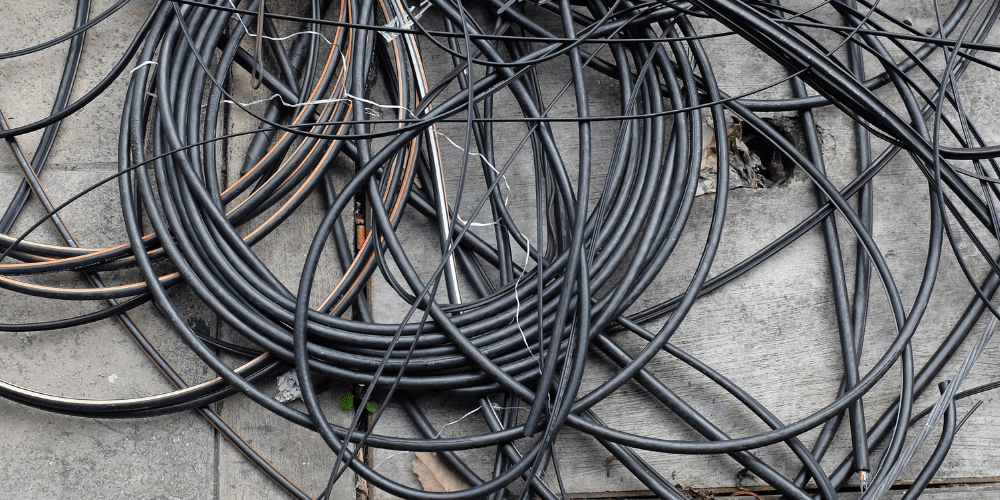
Type cable recycling into any search engine and within a page or two you will find someone insisting that stripping cable before you sell it is free money. Bare copper pays the top rate, cable pays less, so strip the plastic off and pocket the difference. Simple.
We weigh cable and copper for a living, so let us give you the honest version. For a small number of people, stripping makes sense. For almost everyone else, it is a way of paying yourself well below minimum wage to do a slow, unpleasant job that a machine does better. Here is the full picture, so you can make the call for your own situation.
The Arithmetic Most People Skip
The gap between the bare copper rate and the cable rate looks wide on paper, and it is. What the headline gap hides is yield and time.
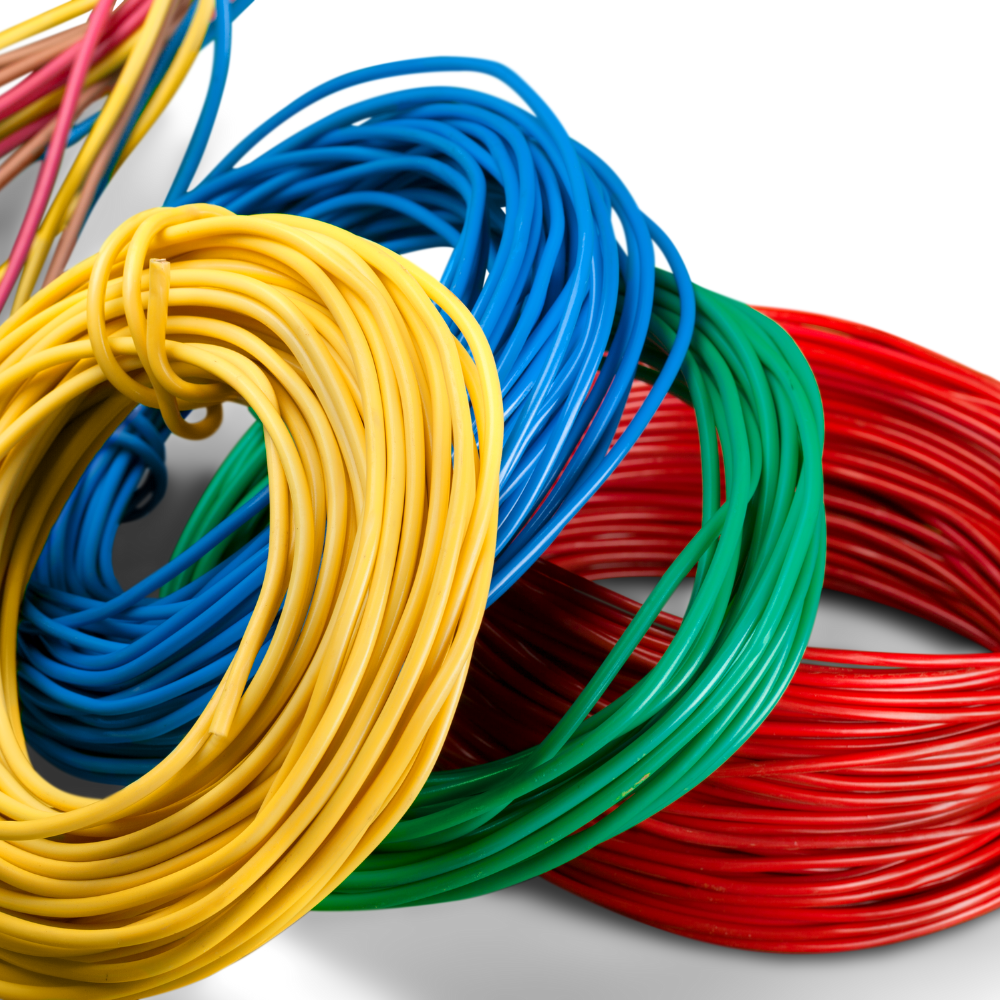
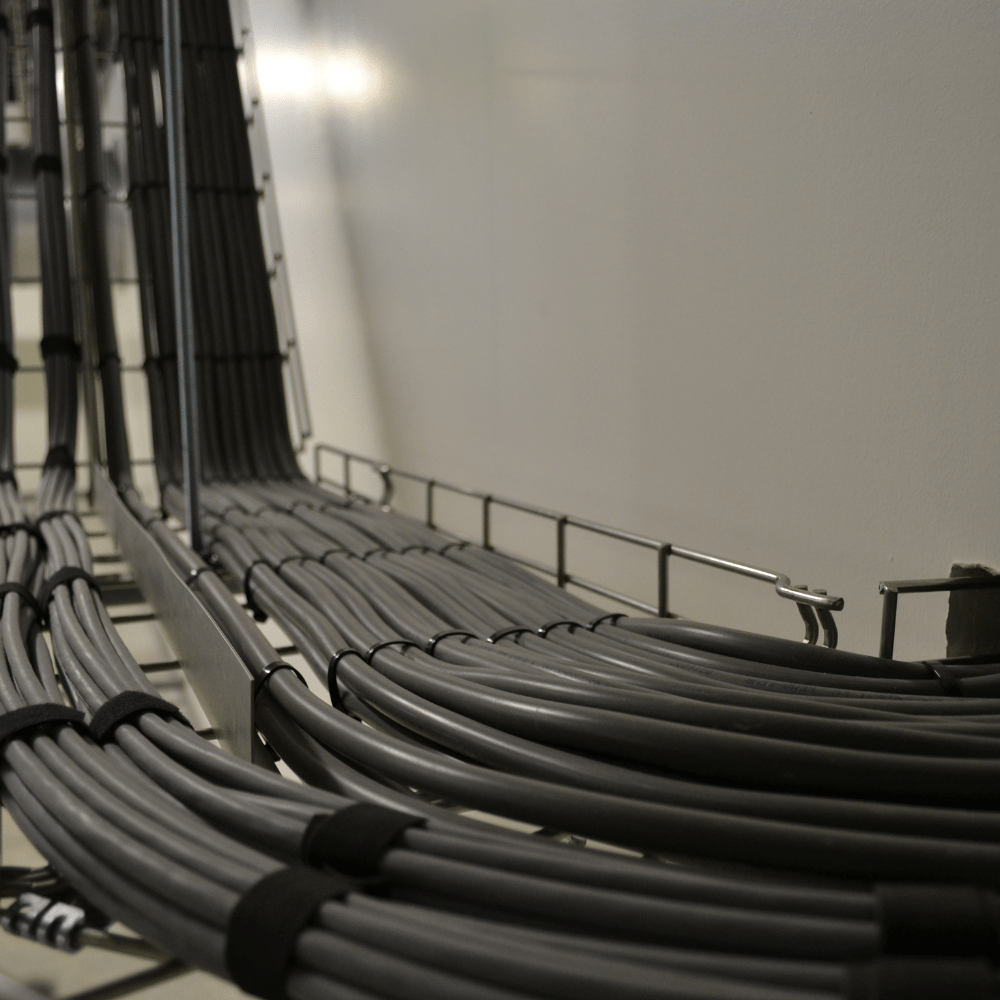
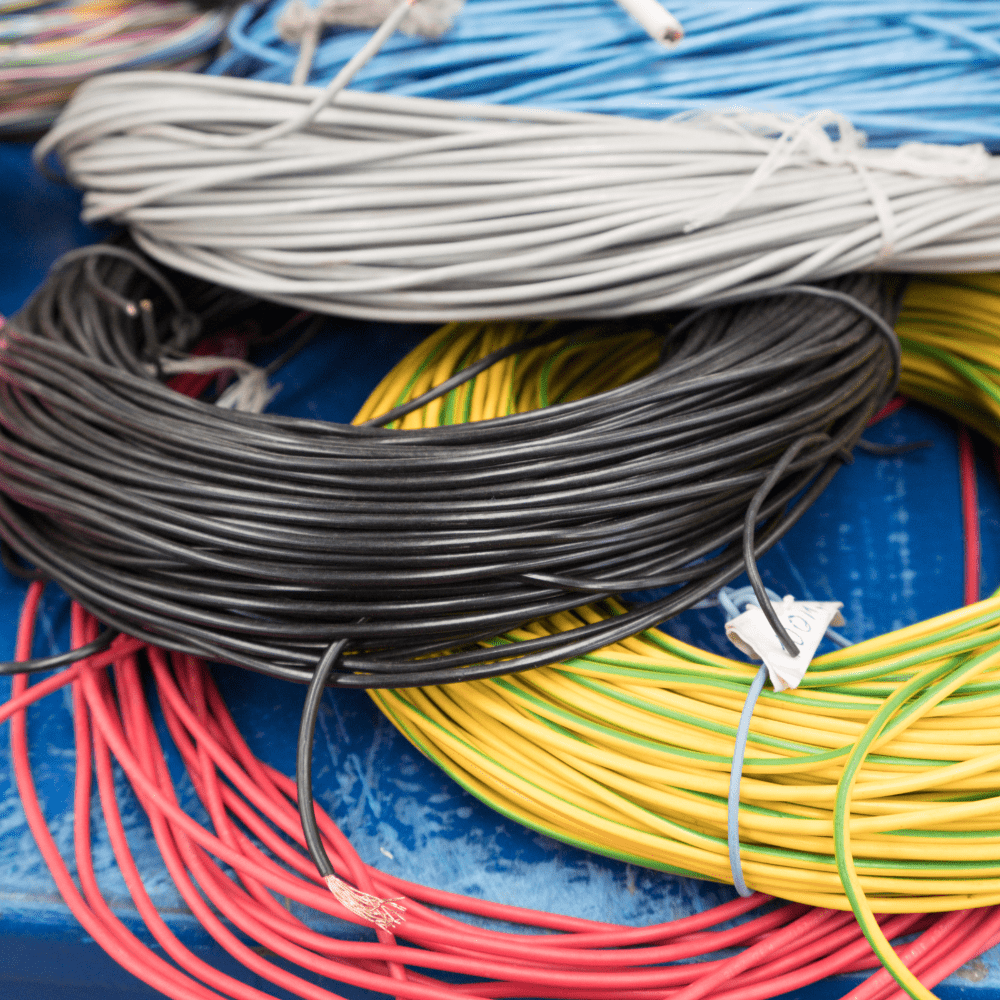
Take household cable as the example. Roughly half its weight is copper, with the rest made up of insulation and sheathing. Strip ten kilos of it and you do not end up with ten kilos of copper. You end up with around five kilos of copper and a pile of plastic that you now have to dispose of. So the true comparison is five kilos at the bare copper rate versus ten kilos at the cable rate. The gap shrinks dramatically before you have counted a single minute of your time.
Then count the time. Hand stripping domestic cable runs at a few kilos an hour for most people, becoming slower once your hands tire. Work the numbers using the current rates, which you can check on our pricing page, and the hourly return on stripping ordinary household cable almost never clears minimum wage. That is before blades, blisters, and the bag of stripped insulation you are left holding.
Why the Machine Wins
Our plant granulates whole cable, chopping it into small pieces and separating copper from insulation by density. The separation is cleaner than hand stripping, the copper recovery is higher, and the insulation goes off for processing rather than into your general waste bin. In other words, the value you are trying to unlock with a knife gets unlocked anyway by equipment built for exactly this job. That efficiency is already reflected in the cable rates we pay.
If you want to see the journey your cable takes, we walk through the whole process in this month’s article on the recycling process.
When Stripping Does Make Sense
- You already have bare copper. Offcuts of stripped conductor from your normal work are bare bright copper by definition. Keep them in their own container, never mix them back with cable, and sell them as what they are.
- You own a stripping machine and have thick single core cable. A bench stripper on heavy single core cable processes quickly enough that the sums can work, especially for a business generating that material every week. On thin or flat cable, even a machine struggles to justify the time.
- You have genuinely idle time and thick cable. If the cable is heavy single core and the alternative use of your time is nothing at all, stripping is at least not a loss. It is still slower money than most people expect.
What Never Makes Sense
Burning cable to remove the insulation. It is illegal under environmental law, the smoke is genuinely toxic, and burnt copper is downgraded at every reputable yard, so you lose money as well as breaking the law. There is no version of this that works in your favour.
The other false economy is part stripping, cutting cable into short lengths or nicking the sheath to check the copper, then giving up. You have spent time, made the material harder to handle, and changed nothing about the grade. Cable is graded on what it is, not on how much effort someone spent wrestling with it.
The Habit That Beats Stripping Every Time
Sorting. Ten minutes spent separating thick, copper rich cable from thin, plastic heavy cable moves more money than an afternoon of stripping because it lets each grade earn its proper rate rather than being averaged into a mixed load. Our guide to high grade cable explains what to look for, and it is the single habit we would recommend to any electrician or clearance firm before picking up a blade.
Then simply bring the cable in whole, or arrange a collection if the volume justifies it. Grading happens in front of you, payment is made by bank transfer, and your evening stays your own.
Frequently Asked Questions
- Will you still buy cable that has already been stripped or part stripped?
Yes. Bare copper is always welcome and earns the bare copper rate when kept separate from cable. Part stripped cable is graded as cable. Nothing is refused because it has been worked on, it is simply graded according to what it is. - Is stripped copper always worth more than the cable it came from?
Per kilogram, yes. Per hour of your time, usually not, because stripping halves the weight you have to sell and consumes time that is often worth more than the difference. Check the current gap on our pricing page and run the numbers for your own material before deciding. - Can I burn the insulation off instead?
No. Burning cable is illegal, dangerous, and self defeating because burnt copper is downgraded by every reputable recycler. Bring cable in whole instead and let the granulation plant recover more value cleanly and legally. - Ready to turn your cable into money back for your business?
Skip the knife. Bring your cable in whole and let the granulation plant do the work. Get a quote or check the current rates before you set off.
Phone: 0121 328 9858
Email: info@cablewirerecycling.co.uk
Address: Fort Parkway, Birmingham, B24 8DW
Get in touch with us.