
Cable Waste on Construction Sites: A Practical Guide for Site Managers
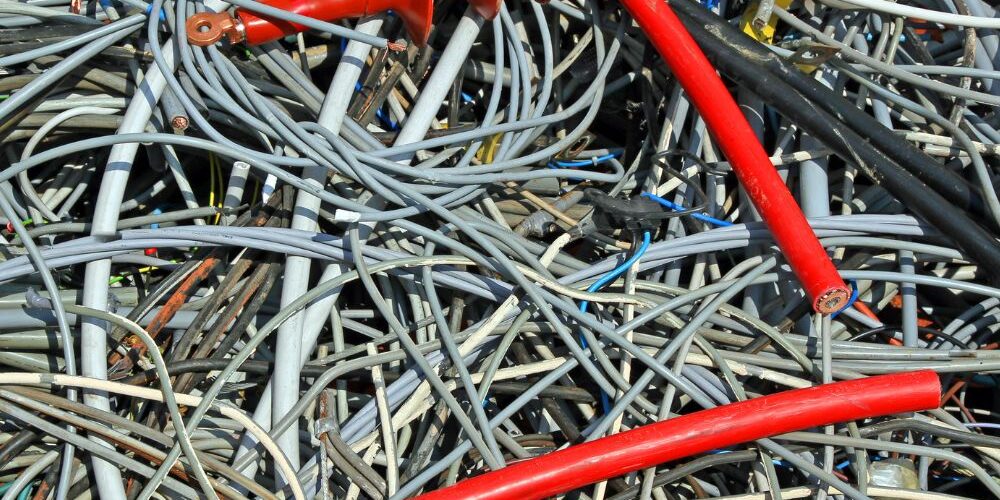
Every construction project produces cable waste. First fix generates offcuts by the binful. Strip out phases on refurbishment jobs pull whole circuits from ceilings and risers. Temporary site supplies come down at handover. On a medium commercial project, the cable adds up to hundreds of kilos, and how you handle it decides whether it becomes a cost, a compliance headache or a line of money coming back into the job.
This guide sets out the system we recommend to site managers, based on years of collecting from projects across the Midlands and the wider UK.


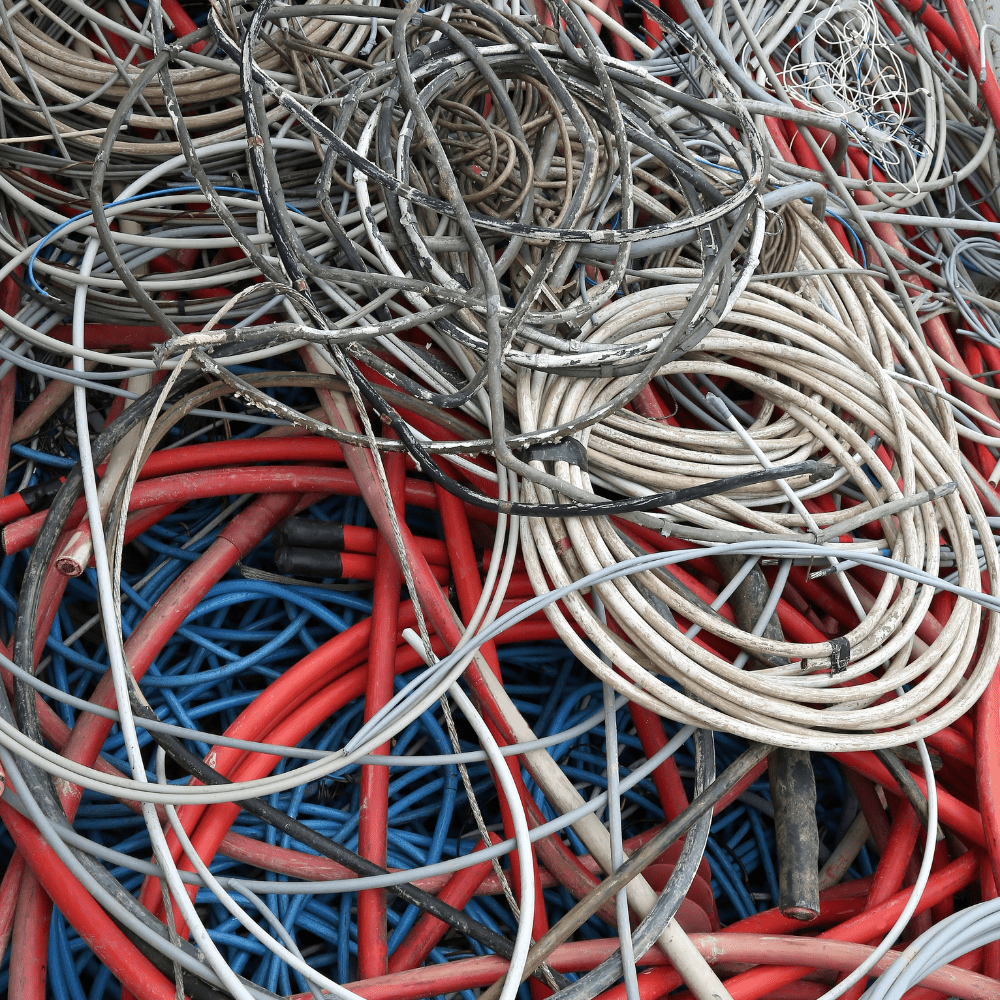

Why Cable Deserves Its Own Waste Stream
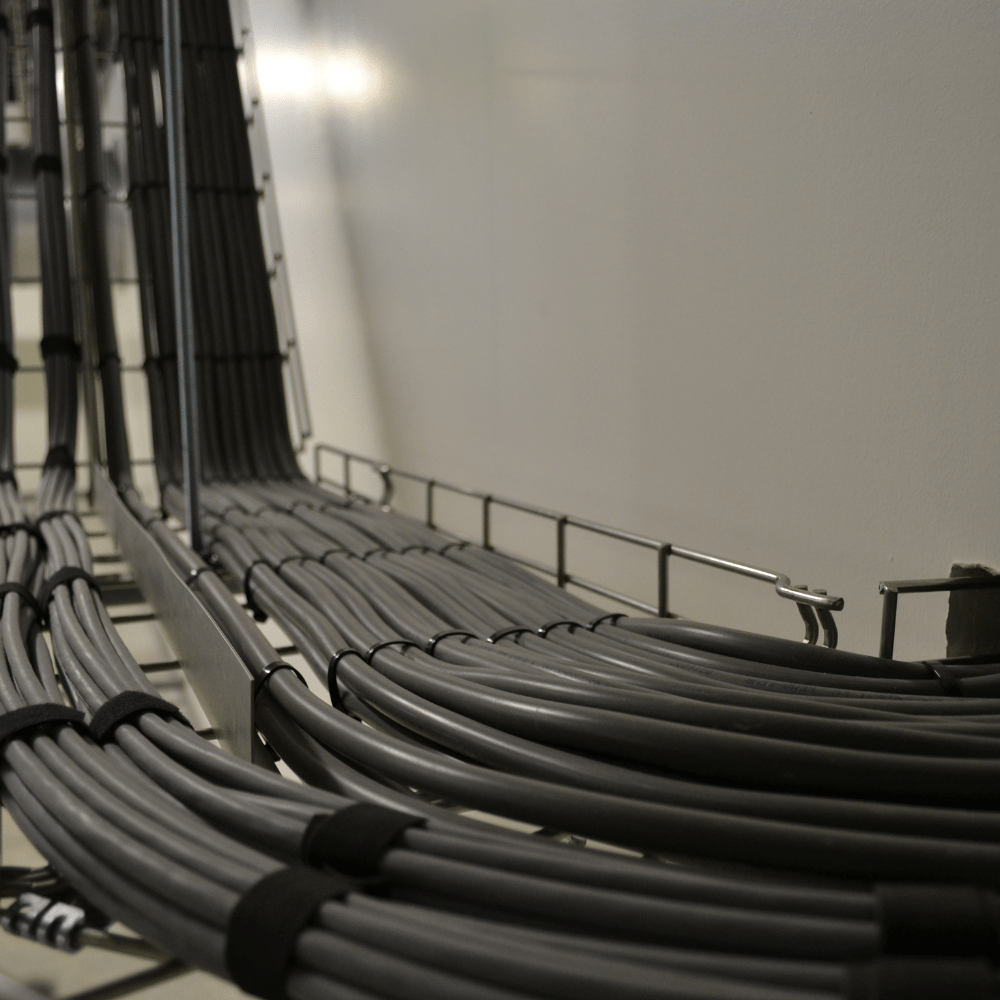
The default on many sites is to let cable go into the general skip. That is the most expensive possible choice, twice over. You pay skip and disposal charges to throw away material that has real value, and mixed waste rates are the highest rates there are. Pulling cable out of the general waste stream turns a disposal cost into a payment, and it lightens the skips at the same time.
There is a compliance angle too. Waste cable is controlled waste, and your duty of care under the Environmental Protection Act follows it off site. Sending it with a licensed carrier to a legitimate recycler, with a waste transfer note to show for it, is the clean way to close that loop. We cover exactly what to check in our article on why it matters who recycles your cable.
Set Up the Site Properly at the Start
- Give cable a dedicated container. A dumpy bag, stillage or wheeled bin near the electricians’ work area is all it takes. Label it, and cable will find its way in. Leave it unlabelled and cable will find the skip.
- Keep it under cover. Wet cable still recycles, but dry cable handles better and keeps its condition. A corner of the container or a sheet over the bag is enough.
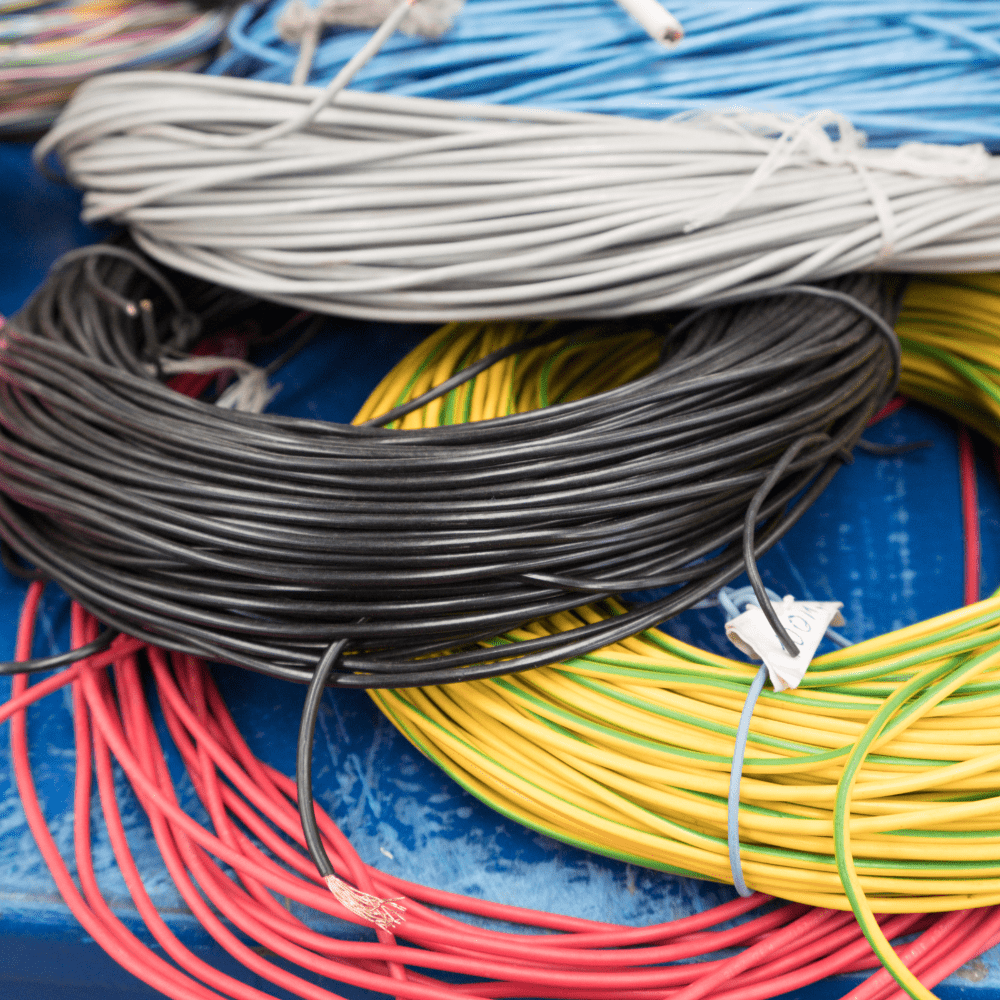
- Split thick from thin if you can. Heavy submain and distribution cable grades higher than lighting circuit offcuts. Two bags instead of one lifts the value of the load. Our high grade cable guide explains what to look for.
- Brief the sparks. Electricians already know cable has value. Once they know the site is capturing it properly, segregation largely runs itself.
Time Your Collections Around the Programme
Cable arrives in waves, not a steady stream. On new builds, the big volumes come during and just after first fix, then again at second fix. On refurbishment projects, the strip out phase produces the largest single load of the whole project, often in the first fortnight. Plan around that rhythm rather than letting bags stack up in a compound.
For most projects, two or three collections fit naturally: one after strip out or first fix, one at second fix, and a final sweep at handover when temporary supplies and site cabins come offline. Our bulk cable collection service works anywhere in the UK, and booking a few days ahead is usually enough. Send photos and a rough weight and we will confirm the rest.
The Paperwork, Done Properly
Every collection should leave you with a waste transfer note recording what was taken, when, by whom and where it went. Keep it with the site file. If your client or principal contractor runs site waste management plans, cable recycling slots straight in as a segregated, recycled waste stream with documented tonnage, which reads well in the environmental reporting at the end of the job.
Payment for the material is made by bank transfer once the load is weighed and graded, which suits commercial projects because the money arrives with a clear paper trail attached. Rates depend on the grade mix and the copper market on the day, so rather than quoting figures here, check the live rates on our pricing page or get in touch for a quote based on your specific load.
What a Typical Project Yields
As a rule of thumb from loads we collect, a domestic new build produces tens of kilos, a school or office refurbishment produces hundreds, and an industrial strip out can run into tonnes once trays and risers are cleared. None of it is life changing money on its own, but set against a project budget it is free margin recovered from material that was heading to the skip, and it costs the site almost nothing to capture.
One Thing Not to Do
Do not let anyone burn cable on site to get at the copper. It is illegal, it produces toxic smoke, and burnt copper is worth less than granulated copper anyway. Whole cable processed through a proper granulation plant recovers more value with none of the risk. If you are curious about what actually happens to your cable after collection, we walk through the whole process in a separate article this month.
Frequently Asked Questions
- Is there a minimum load for collection from site?
Collections make sense from a few hundred kilos upwards, which most commercial projects reach easily. Below that, many contractors drop cable into our Birmingham yard at Fort Parkway, open 7am to 9pm every day. Get in touch and we will advise on the best option for your volumes. - Do you provide waste transfer notes?
Yes, every collection comes with a waste transfer note for your site file, and we are a registered carrier. Your duty of care is covered from the moment the cable leaves site. - Can you collect at short notice before a handover?
Usually, yes. A few days’ notice is ideal, but we understand programmes move. Call 0121 328 9858 and we will do our best to fit around your deadline. - Ready to turn your cable into money back for your business?
Running a project that will produce cable waste? Get a quote before first fix and we will plan collections around your programme, with paperwork handled properly at every stage.
Phone: 0121 328 9858
Email: info@cablewirerecycling.co.uk
Address: Fort Parkway, Birmingham, B24 8DW
Opening Hours: 7am to 9pm, seven days a week