
High Grade Cable: What Counts, What It Pays and How to Get the Best Return
Not all cable earns the same money. Two bags that weigh the same can be worth very different amounts, and the difference comes down to grading. If you work with commercial or industrial electrical installations, understanding what recyclers mean by high grade cable is the single most useful thing you can learn, because it changes how you sort your waste and how much you take home from it.
This guide explains what pushes cable into the high grade bracket, where it usually comes from, and the practical habits that protect its value between the job site and the weighbridge.
What makes cable high grade
Grading comes down to one question: how much clean copper comes out of each kilogram we process? Cable is a mix of copper conductor and everything wrapped around it. The higher the share of copper in the overall weight, the higher the grade and the better the rate per kilo.
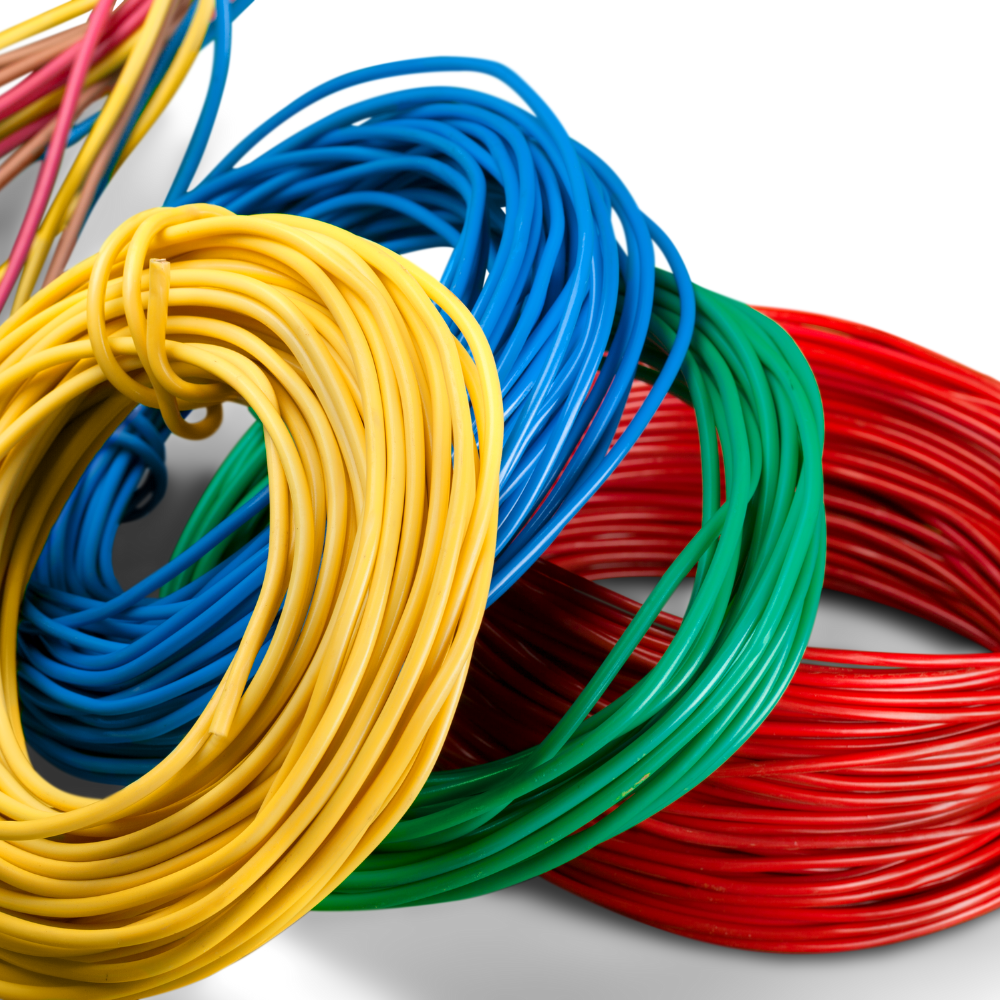
High grade cable generally recovers sixty percent copper or more by weight. In practice that means cable with thick conductors and relatively thin insulation. Single core installation cable from distribution boards, meter tails, thick flexible cable from machinery, and heavy conductor cable stripped out of commercial rewires all tend to grade high. By contrast, thin signal wire with heavy sheathing carries a lot of plastic for very little copper, so it grades low no matter how tidy it looks.
The quick tests we use at the yard
- Weight in the hand. High grade cable feels dense for its size because copper is heavy and plastic is not.
- Cut face. Look at the cut end. If the copper cross section dominates and the insulation is a thin ring around it, you are probably holding high grade material.
- Flexibility with heft. Fine stranded, thick flex from industrial equipment bends easily but still feels heavy. That combination usually signals a strong copper ratio.
- The source. Cable pulled from distribution boards, plant rooms, commercial kitchens and industrial machinery grades higher than domestic lighting circuits almost every time.
Where high grade cable comes from
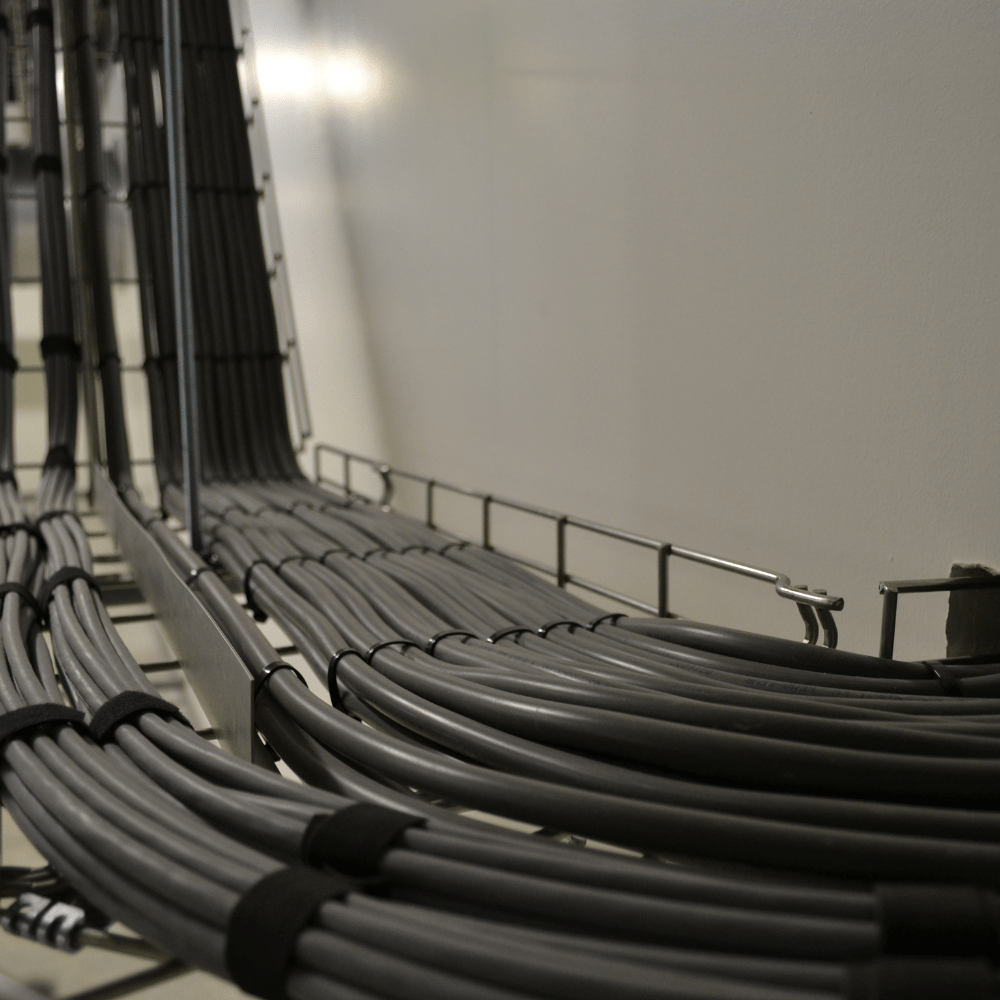
Most of the high grade material that crosses our weighbridge arrives from a handful of predictable sources. Commercial rewires produce meter tails and submain runs with serious copper content. Factory maintenance teams strip thick flex when machines are replaced. Panel builders and switchgear firms generate dense offcuts as a matter of routine. Data centre and plant room upgrades release heavy feeder cable that has quietly sat in trays for twenty years.
If your work touches any of these areas, you are producing high grade cable whether you have noticed or not. The electricians who do best out of recycling are the ones who spotted this early and set up a simple system for keeping it separate. We covered the everyday cable types in our June guide to what cables you can recycle, which is worth reading alongside this one.
Keep it separate: the habit that pays
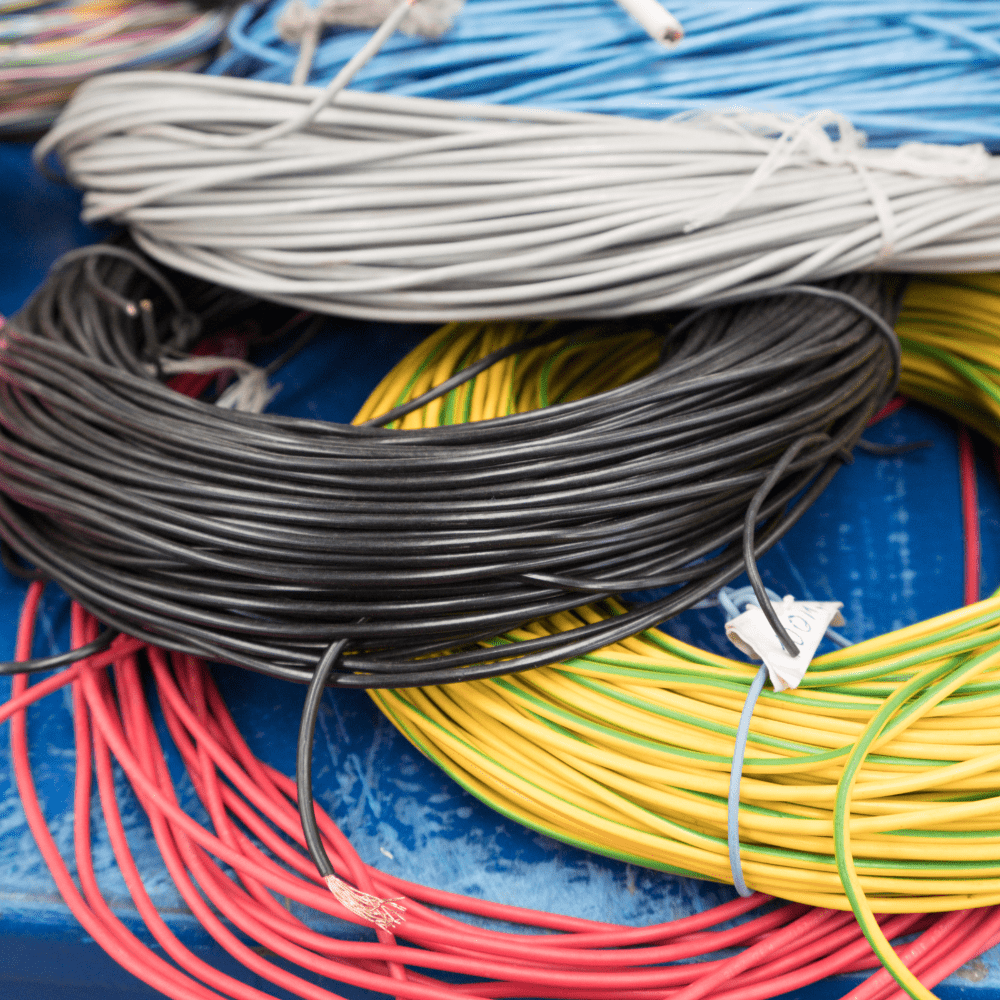
Here is the mistake we see most weeks. A firm arrives with a builder bag holding a mix of thin alarm wire, domestic twin and earth, and a beautiful coil of thick single core. Mixed together, the load has to be graded as a blend. Separated into two bags on site, the same material earns noticeably more, because the high grade portion gets the high grade rate rather than being averaged down.
The fix costs nothing. Keep two containers in the van or the workshop. Thick, copper heavy cable in one. Everything else in the other. Thirty seconds of sorting at the point of work beats an hour of untangling later, and it shows up directly in what you get paid.
Should you strip high grade cable for bare copper?
Tempting, but usually not. Bare bright copper does earn the top rate, and high grade cable is the most tempting candidate because the conductors are thick. The problem is time. Stripping by hand is slow, hard on the wrists and full of hidden costs, and our granulation plant separates copper from insulation far more cleanly than a knife ever will. Unless stripped copper is a free byproduct of something you already do, bring the cable in whole. We wrote a full breakdown of the stripping question in a separate article this month, and the arithmetic rarely favours the knife.
What high grade cable pays
Rates move with the copper market, sometimes week to week, which is exactly why we do not print numbers in articles like this one. What we can promise is the structure: high grade cable always sits well above household cable in our rate card, and clean, well sorted loads sit at the top of the high grade band. For live figures, check our pricing page, which we keep current, or get in touch and we will quote against the actual market on the day.
One more point worth knowing. Payment is by bank transfer, made straight away once your load is weighed and graded. That is how licensed recyclers in the UK operate, and it protects you as much as it protects us.
Bringing it in, or having it collected
For loads you can move yourself, our yard at Fort Parkway in Birmingham is open from 7am to 9pm, seven days a week, so a visit fits around a working day rather than interrupting one. For heavier accumulations, from a few hundred kilos upwards, our bulk cable collection service picks up from your site anywhere in the UK. Send us a couple of photos and a rough weight, and we will arrange the rest.
Frequently Asked Questions
- How do I know for certain whether my cable is high grade?
Bring it in and we will grade it in front of you at the weighbridge, with no obligation. As a rough guide beforehand, look at a cut end: if copper dominates the cross section and the insulation is thin, it is likely to grade high. - Does high grade cable need to be a minimum length or thickness?
No. Offcuts grade the same as full drums. Grading is about the ratio of copper to insulation, not the length of the piece, so short dense offcuts from panel work are still high grade material. - Do you pay more for large quantities of high grade cable?
The rate is set by grade and the copper market rather than volume, but larger loads qualify for free collection, which saves you the transport. Get a quote and we will set out exactly what your load is worth. - Ready to turn your cable into money back for your business?
Bring your high grade cable to our Birmingham yard or get a quote for collection. We grade openly at the weighbridge, so you see exactly what your material is worth before anything is processed.
0121 328 9858
07815 005 350
info@cablewirerecycling.co.uk
Fort Parkway, Birmingham, B24 8DW
Get in touch with us.