
For IT Managers: Secure Cable Disposal When Upgrading Network Infrastructure
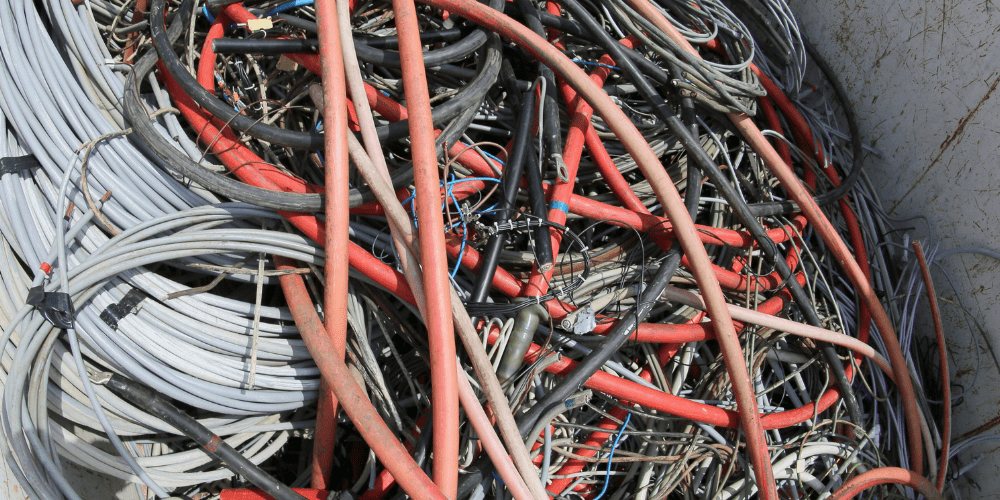
When data centers and IT infrastructure are upgraded, massive quantities of cabling must be removed. From network cables to fiber optic to power distribution, the removal generates significant cable waste that must be handled professionally.
But for IT managers, cable disposal involves more than just recycling it involves data security. Network cables that connected servers and systems require secure disposal to ensure no sensitive data vulnerabilities remain.
This guide addresses the specific concerns IT managers face when recycling network infrastructure cable.
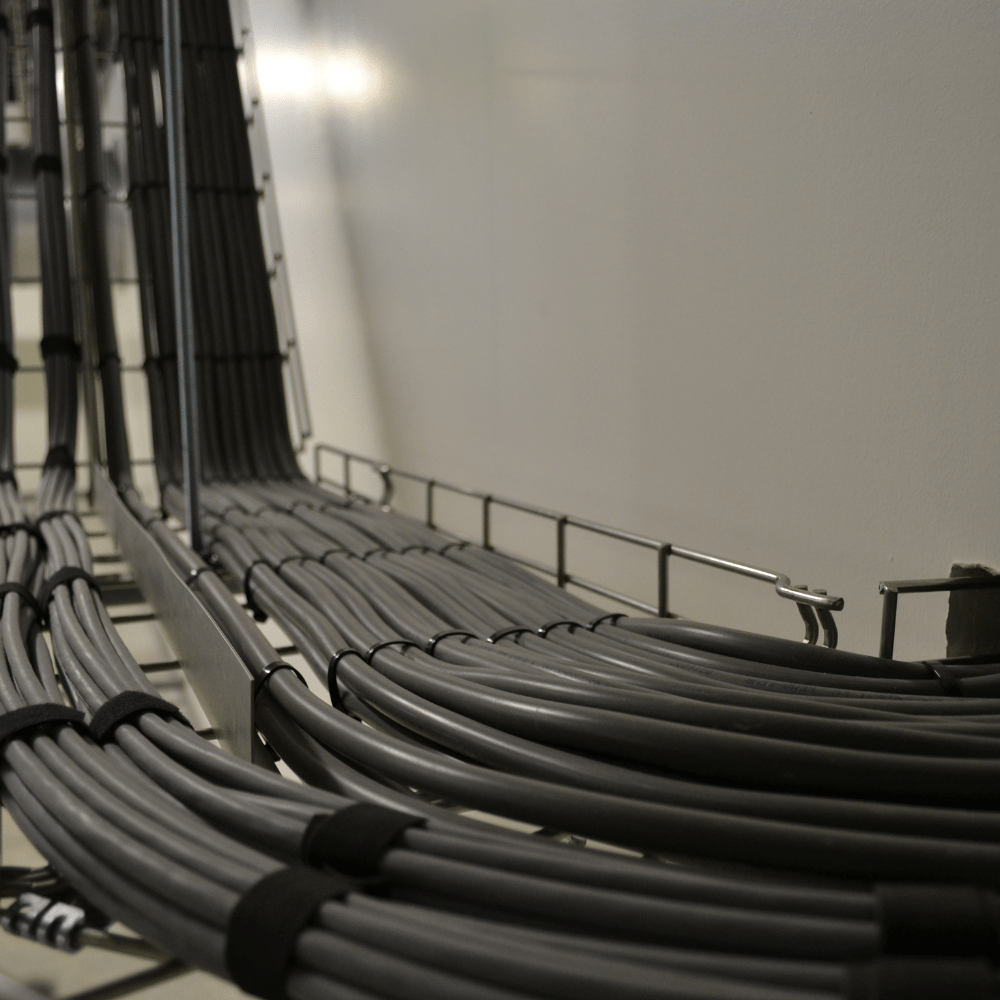
IT Infrastructure Cable Types and Removal Scenarios
Data Center Upgrades
When data centers upgrade infrastructure:
- Server-to-server network cabling
- Backbone fiber optic cables
- Power distribution cables
- Cooling system connections
- Monitoring and management cables
Quantities can be substantial hundreds or even thousands of kilograms from major facility upgrades.
Office Network Upgrades
When office networks are modernized:
- Old CAT5 or CAT6 network cables
- Telephone system cabling
- Data closet infrastructure
- Building backbone cabling
- Workstation connections
Typically smaller quantities than data centers but still significant.
Facility Wide Technology Refresh
When entire organizations upgrade technology:
- Replacement of aging infrastructure
- System consolidation removing redundant cabling
- Technology modernization projects
- Building relocation or reconfiguration
These projects often yield hundreds of kilograms of mixed cabling.
Decommissioning Operations
When systems are retired:
- Server decommissioning
- Facility closure
- Technology sunset
- Legacy system removal
Complete removal of all related cabling infrastructure.
Data Security Concerns with Cable Disposal
Cable that was connected to systems requires data security consideration. Here’s why:
Physical Data Risk
Some cables carried data signals that could theoretically contain sensitive information patterns. While modern encryption protects data in transit, physical cable disposal should follow security protocols.
Regulatory Compliance
Depending on your industry and data classification:
- GDPR (European data protection)
- HIPAA (healthcare data)
- PCI-DSS (payment card industry)
- SOC 2 (service organization controls)
- Industry-specific regulations
These often require documented, secure disposal of equipment and materials that handled sensitive data.
Audit Trail Requirements
Organizations increasingly need documentation for:
- Regulatory compliance verification
- Security audits
- Third-party assessments
- Risk management documentation
Proper cable disposal with documented chain of custody provides this audit trail.
Insurance and Legal Protection
Proper, documented disposal protects against:
- Liability exposure
- Compliance violations
- Data breach attribution
- Insurance policy requirements
Secure Cable Disposal: What It Means
Secure disposal for IT cable involves:
Documented Chain of Custody
- Cable inventory at removal
- Documentation of materials collected
- Transfer records showing secure handling
- Final disposition records
- Audit trail for compliance verification
Secure Transportation
- Proper containment of materials
- Protection from unauthorized access
- Professional handling procedures
- Secure delivery to processing facility
Professional Processing
- Facility with security protocols
- Controlled material handling
- Complete processing, no remnants
- Secure final disposition
Certification and Documentation
- Certificates of destruction
- Processing documentation
- Chain of custody completion
- Compliance verification
Our Secure Cable Disposal Process
Our facility understands IT industry requirements and provides documented, secure processing:
1.Intake and Inventory
When you bring cable materials:
- Materials are inventoried
- Condition assessed
- Documentation created
- Chain of custody begins
2. Secure Storage
Materials are stored securely:
- Controlled access facility
- Protected storage areas
- Inventory tracking
- Security protocols
3. Professional Processing
Our equipment processes cable securely:
- Complete material processing
- No partial or incomplete handling
- All components processed
- Documentation of processing
4. Certification and Completion
Upon completion:
- Certificate of destruction provided
- Final documentation
- Chain of custody completed
- Compliance records for your files
Real IT Manager Scenarios
Scenario 1: Data Center Network Upgrade
A technology company is upgrading its data center network infrastructure. The project generates approximately 800 kilograms of mixed network and power cabling.
IT Manager Requirements:
- Secure disposal with documentation
- Compliance verification
- Chain of custody records
- Certificate of destruction for files
Our Solution:
- Secure intake and inventory
- Professional processing with documentation
- Final certification
- Compliance documentation provided
Financial Outcome:
- Material value: approximately £2,080, based on mixed cable types
- Plus offset against disposal costs
- Documented compliance
Scenario 2: Office Building Technology Refresh
An organization is modernizing its office network infrastructure across multiple floors. Approximately 300 kilograms of CAT5 and CAT6 network cables are removed.
Requirements:
- Professional handling of data network cable
- Documentation for records
- Secure processing
- Audit trail for compliance
Process:
- Inventory on arrival
- Secure storage
- Professional processing
- Documentation and certification
Value:
- Cable value: approximately £780
- Compliance verified through documentation
Scenario 3: Server Decommissioning
A company is retiring legacy servers and all associated infrastructure cabling. Approximately 150 kilograms of server-to-storage network cables require secure disposal.
Compliance Needs:
- Secure handling of previously sensitive cables
- Documentation for decommissioning
- Audit verification
- Compliance records
Our Approach:
- Full documentation of process
- Secure handling and processing
- Final certification
- Records for compliance file
Regulatory Compliance Standards
GDPR (General Data Protection Regulation)
European data protection regulation requires documented, secure disposal of materials that may have contacted personal data.
Our Compliance:
- Documented disposal process
- Chain of custody
- Professional processing
- Certification available
HIPAA (Health Insurance Portability and Accountability Act)
Healthcare organizations must secure properly dispose of materials related to health information systems.
Our Process:
- Secure intake and inventory
- Documented handling
- Complete processing
- Destruction certification
PCI-DSS (Payment Card Industry Data Security Standard)
Payment processing systems require documented secure disposal of related materials.
Our Capability:
- Professional documentation
- Secure processing
- Certification of destruction
- Compliance records
SOC 2 (Service Organization Controls)
Service organizations need verified secure disposal processes.
Our Approach:
- Documented procedures
- Chain of custody
- Professional processing
- Certification and records
Documentation You’ll Receive
Certificate of Destruction
Official documentation stating:
- Materials received and identified
- Processing completed securely
- Final disposition confirmed
- Date and authorization
Chain of Custody Records
Complete documentation of:
- Materials inventory
- Transfer records
- Storage location
- Processing authorization
- Final completion
Processing Documentation
Records showing:
- Material types processed
- Processing methods
- Completion date
- Authorization
Compliance Verification
Materials supporting:
- Regulatory compliance
- Audit requirements
- Insurance verification
- Risk management documentation
Advantages of Professional Secure Disposal
- Compliance Assurance
Professional disposal ensures regulatory requirements are met and documented. - Risk Reduction
Proper secure disposal eliminates liability exposure and data security risk. - Audit Support
Documentation and certification support compliance audits and verifications. - Financial Recovery
Material value recovery offsets disposal costs compliance and value together. - Operational Efficiency
Professional disposal eliminates disposal concern, letting you focus on infrastructure upgrade.
FAQ: Secure Cable Disposal for IT Managers
- Does all network cable require secure disposal, or just some?
From a data security perspective, network cables that handled sensitive data benefit from documented secure disposal. For compliance purposes, documented disposal is appropriate for all IT infrastructure cabling. - What documentation do I need for compliance verification?
We provide certificate of destruction, chain of custody records, and processing documentation. This supports GDPR, HIPAA, PCI-DSS, and SOC 2 compliance needs. - How do I know materials are actually processed securely?
We provide certification upon completion, showing what was received and how it was processed. Complete processing leaves no remnants materials are fully recycled or properly disposed of. - Can you handle very large quantities from major facility upgrades?
Yes. We process substantial quantities. Contact us with details on your project scope. - What if I have fiber optic cables mixed with copper cables?
We handle mixed materials. Fiber optic requires different processing, but we coordinate appropriate handling for all materials. - Do you need IT security clearance or specific certifications?
We operate as a professional recycling facility with documented, secure processes. Your IT team can discuss specific security requirements directly with us. - How quickly can you process materials from a major upgrade?
Depending on quantity and complexity, we discuss timeline with you. Large projects are accommodated with coordinated scheduling.
Process: From Project Completion to Certified Disposal
1. Project Planning (Weeks Before)
Contact us during planning phase:
- Estimate quantities
- Discuss timeline
- Outline security requirements
- Coordinate documentation needs
2. Collection and Intake (Project Completion)
When materials are removed:
- Coordinate pickup or delivery
- Materials inventoried upon arrival
- Documentation created
- Chain of custody begins
3. Secure Processing (Following Days/Weeks)
Materials are processed securely:
- Professional handling
- Complete processing
- Documentation maintained
- Processing procedures followed
4. Certification and Completion
Upon completion:
- Certificate of destruction issued
- Chain of custody completed
- Documentation package provided
- Records delivered for your files
5. Compliance Verification
You have documentation supporting:
- Regulatory compliance
- Audit requirements
- Risk management
- Insurance verification
Conclusion
When IT infrastructure is upgraded, cable disposal requires more than just recycling—it requires documented, secure handling to meet compliance and security requirements.
We understand these requirements and provide professional, documented secure disposal supporting your compliance needs. From inventory to certification, every step is documented for your records.
Contact us to discuss your IT infrastructure project and secure disposal requirements.
Planning an IT infrastructure upgrade? Discuss secure cable disposal with us.
Fort Parkway, Birmingham
B24 8DW
0121 328 9858
info@cablewirerecycling.co.uk